
Explorez nos ressources
How long does it take to become a chiropodist in Canada and how much does it cost? Learn about regulation, credential evaluation, licensing exams, timelines, costs, salary and job outlook for internationally trained podiatrists and foot-care professionals.
2026-01-14
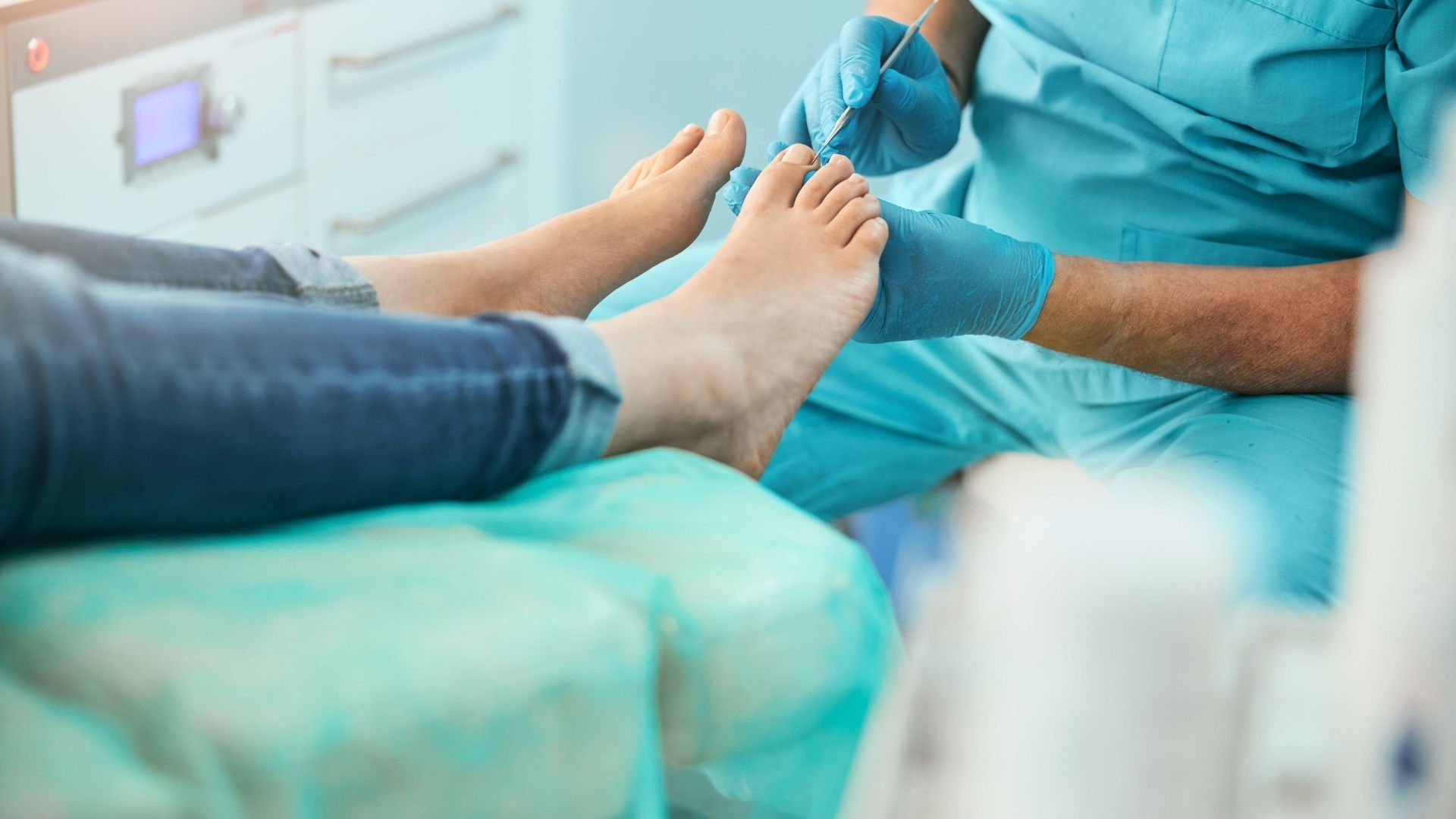
Foot health is becoming an increasingly important part of Canada’s health-care system. As of recent national health data, more than 7 million Canadians are living with diabetes or prediabetes, and foot-related complications remain one of the leading causes of preventable hospital visits among older adults. At the same time, Canada’s population aged 65 and older is projected to reach nearly one in four people by 2030, increasing demand for regulated foot-care services across provinces.
Chiropodists and podiatrists play a critical role in preventing mobility loss, managing chronic conditions and reducing strain on hospitals and long-term care facilities. This growing need has translated into steady demand for regulated foot-care professionals, making chiropody an attractive and stable career for internationally trained practitioners.
For newcomers, chiropody offers a clear, regulated pathway into Canada’s health sector, with strong employment prospects and opportunities in both public and private care settings.
The education route depends on your background and province of practice.
To become a chiropodist in Canada, you typically need:
Internationally trained podiatrists with a DPM form the majority of applicants outside Ontario, while Ontario operates a distinct chiropody model with a defined scope of practice.
Internationally trained applicants must have their education reviewed by the provincial regulatory college. This step ensures that international training aligns with Canadian standards for patient safety and professional practice.
The evaluation process typically includes:
This assessment determines eligibility for entry-to-practice exams or additional requirements.
Chiropody and podiatry are regulated health professions in Canada, but titles and scopes vary by province.
Examples include:
Registration with the provincial college is mandatory to practise and use protected professional titles.
All provinces require candidates to pass entry-to-practice exams, which assess:
Internationally trained DPMs typically complete credential evaluation first, followed by written and clinical exams administered or approved by the provincial college.
Canada’s foot-care system is unique.
Both professions are regulated and integral to Canada’s preventive and chronic care systems.
For internationally trained professionals, the process usually takes one to two years.
Typical timeline:
Timelines depend on the completeness of documentation and alignment of previous training.
Licensing costs are higher than many allied health professions due to specialized exams and assessments.
Typical costs include:
Most internationally trained professionals invest CAD 10,000 to 25,000 to complete the process.
Demand for regulated foot-care professionals remains strong across Canada. Chiropodists commonly work in:
As health systems shift toward prevention and community-based care, foot-care professionals are increasingly recognized as essential to reducing hospital admissions and improving mobility outcomes.
Income varies by location and practice model:
Private practice offers higher earning potential, especially in high-demand urban areas.
The cost of credential recognition and licensing can be a barrier for newcomers. Windmill Microlending supports internationally trained professionals by offering low-interest loans of up to $15,000.
Loans can be used for:
Windmill helps skilled newcomers return to meaningful health-care careers and contribute to Canada’s growing needs.
Yes. Chiropody and podiatry are regulated in all provinces, although professional titles and scopes differ by jurisdiction.
Yes. Internationally trained professionals can practise after completing credential evaluation, licensing exams and provincial registration.
Yes. Demand is driven by population aging, chronic disease and increased focus on preventative foot care.
Not always. Many internationally trained DPMs qualify through credential assessment and exams.

Alerte à la fraude : Méfiez-vous des personnes ou comptes prétendant représenter Le Moulin Microcrédits. Nous ne demandons jamais de renseignements personnels ni de paiements sur les réseaux sociaux ou applications de messagerie. Vérifiez que nos courriels se terminent par @teamwindmill.org ou @equipelemoulin.org, ou contactez-nous via les coordonnées officielles sur notre site Web.