

Explore Our Resources
Learn how to become a medical device reprocessing technician in Canada. This guide covers training requirements, certification, timelines, costs, job outlook and salary for newcomers entering the health-care sector.
February 6, 2026
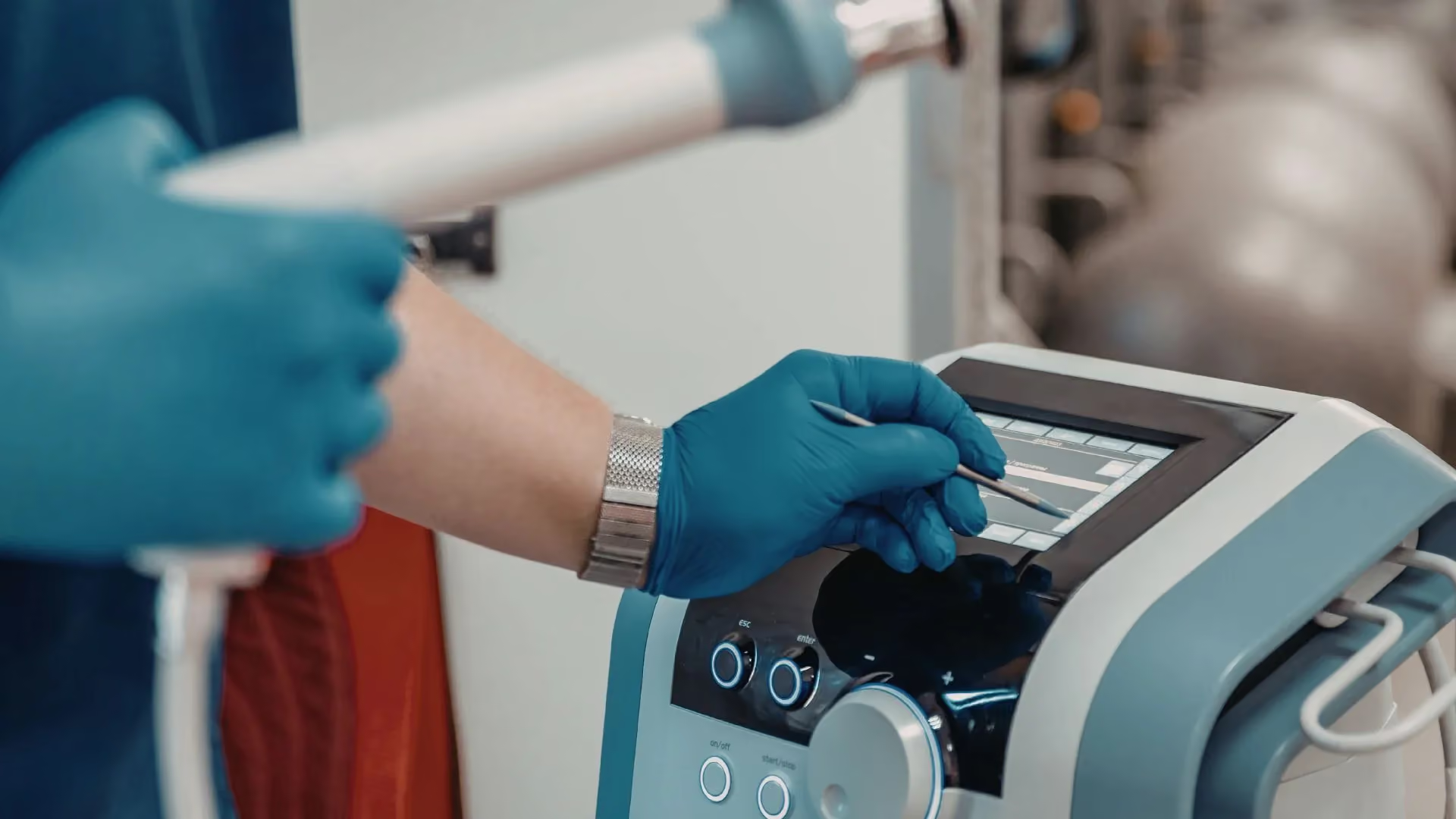
Medical device reprocessing technicians play a critical but often behind-the-scenes role in Canada’s health-care system. They are responsible for cleaning, disinfecting, assembling and sterilizing surgical instruments and medical equipment used in hospitals and clinics. Without this work, surgeries and medical procedures cannot safely take place.
Canada’s health-care system continues to face staffing pressures, particularly in hospitals and surgical settings. According to health workforce reports, operating rooms and surgical units are among the most resource-intensive areas of care, with thousands of procedures performed every day across the country. As surgical volumes increase due to population aging and delayed procedures, the demand for skilled reprocessing technicians remains steady.
For newcomers, becoming a medical device reprocessing technician (MDRT) offers a relatively fast, affordable and accessible entry point into Canada’s health sector. The role does not require prior medical licensing and is considered immigrant-friendly, with clear training pathways and strong employment prospects.
Medical device reprocessing technicians ensure that all medical instruments are safe and ready for patient use. Their responsibilities are essential for infection prevention and patient safety.
Typical duties include:
MDRTs work primarily in hospitals, surgical centres and medical clinics, often in central sterile processing departments.
Medical device reprocessing technicians are not regulated under a provincial licensing college, but the profession is governed by national standards and employer requirements.
Most employers require:
This makes the profession accessible while still maintaining high safety expectations.
To become a medical device reprocessing technician in Canada, you typically need:
Programs usually include both classroom learning and hands-on clinical practice.
Key topics covered include:
Most employers prefer candidates who have completed a Canadian medical device reprocessing program, offered by public colleges and private training institutions.
Programs typically take:
Some internationally trained health-care workers may receive credit for prior experience, but Canadian training is often recommended.
After completing training, candidates are encouraged or required to obtain certification. Common certifications include:
Certification demonstrates competency and improves employability.
Once trained and certified, candidates can apply for positions in:
Many employers provide on-the-job training to align staff with hospital-specific protocols.
The pathway is relatively fast compared to many health professions.
Typical timeline:
Most newcomers can begin working within 6 to 12 months.
Costs are generally affordable compared to regulated health professions.
Typical expenses include:
Total costs usually range from CAD 2,500 to 7,000.
Demand for MDRTs is stable and ongoing across Canada. Hospitals operate 24/7 and require consistent instrument reprocessing to support surgeries and emergency care.
Employment is driven by:
Many health authorities regularly post vacancies, particularly in urban hospitals and regional health centres.
Salaries vary by province, employer and experience level.
Public-sector roles often include benefits, pensions and job stability.
Medical device reprocessing is considered newcomer-friendly because:
For newcomers seeking Canadian work experience in health care, this role offers a strong starting point.
Even short training programs come with upfront costs. Windmill Microlending supports newcomers by offering low-interest loans of up to $15,000 to help cover:
Windmill helps newcomers enter stable health-care roles and build long-term careers in Canada. Check your eligibility today!
No. While health-care experience is helpful, it is not required.
The role is not regulated by a provincial college, but employers follow national standards and certification requirements.
Yes. Hospitals and surgical centres consistently require trained reprocessing technicians.
Yes. Many newcomers successfully enter this profession after completing Canadian training and certification.

Fraud alert: Beware of individuals or accounts falsely claiming to represent Windmill Microlending. We never request personal information or payments through social media or messaging apps. Please verify all communication via our official channels ending with "@windmillmicrolending.org", "@lemoulinmicrocredits.org" or contact us via verified information available on our website if you are unsure.